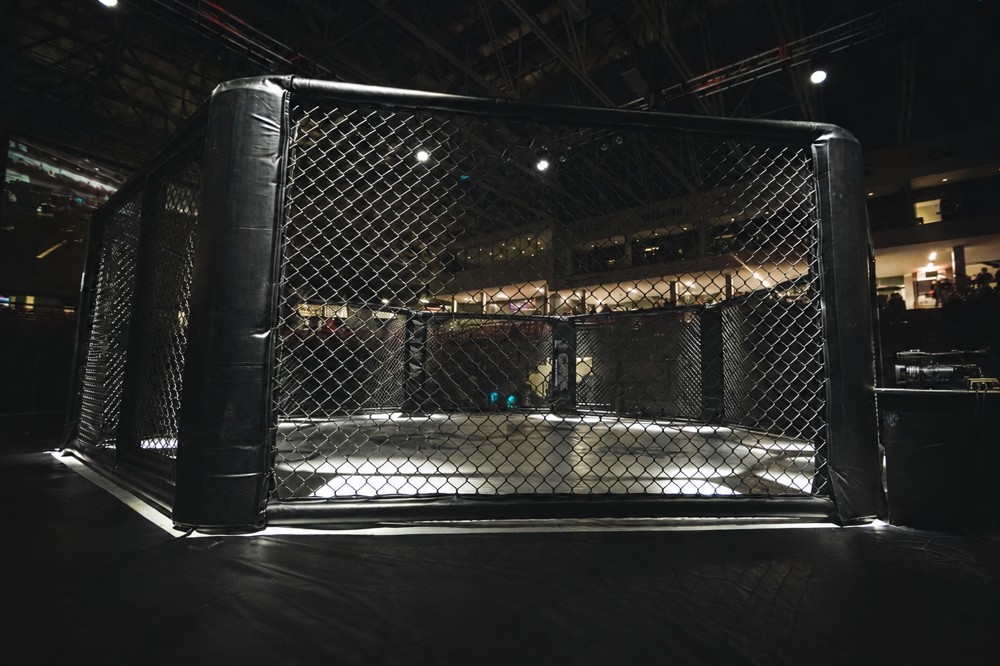
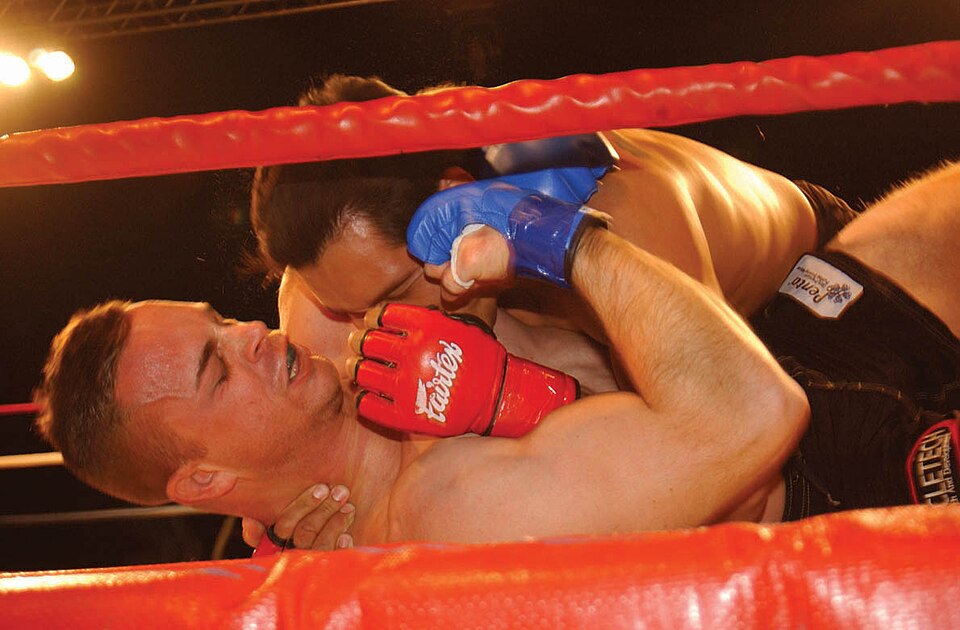
Edir Terry tests skills against Tyler Wilson at XMMA 3 on Saturday, Oct. 23. The bantamweight bout transpires at Watsco Center in Miami, Fla. The 33-year-old martial artist fights out of Miami, Florida by way of Caracas, Venezuela.
XMMA's third card continued the promotion's push into the Florida market — Miami's Watsco Center has become a regular stop for the organization, and for Venezuelan-Canadian transplants like Terry it's a rare card that doubles as a hometown show.
In recent times, Terry has been getting in world-class work over at MMA Masters.
MMA Masters has become one of the country's heavier-trafficked gyms — a rotating cast of UFC, PFL and Bellator names passing through means a regional fighter's regular rounds are closer to a bigger-league practice than most Canadian camps can offer.
“We’ve been having a lot of guys coming down from the UFC, PFL, Bellator, and ONE Championship. Coming down like most of the time for a month to three months to do camps with us,” said Terry in an interview with MMA Empire.
“That’s been great having the chance to train with a lot of good names. Just like my teammate, we’ve been training together for over three months already nonstop for his fight, which is Nate (Landwehr) who is fighting in the UFC.”
That kind of gym spillover is the quiet advantage of training at a hub gym — the sparring rounds a fighter logs against visiting pros don't show on the record but they compound fast.
Terry experienced a short notice switch up in his opponent for this XMMA 3 event, originally scheduled to face Canadian Louie Sanoudakis.
The switch from a southpaw to a conventional opponent is a bigger adjustment than it sounds — footwork reads, angle habits and jab timing all get rebuilt on short notice.
Late opponent changes are a fact of regional life — cards at this level shift constantly, and fighters who can absorb a new matchup without losing a camp are the ones promoters keep calling.
The seasoned martial artist said he adapted to the shift pretty seamlessly.
A decade of training is what makes that kind of pivot manageable — veterans of the scene stop preparing for opponents and start preparing for problems.
“I mean, the only difference is my opponent before was a lefty. I was training the entire time for lefty guys. Now I just found out that the new guy is righty, so now kind of have to switch my style and my timing,” said Terry.
“But that’s okay, just try to figure out the footwork.”
Despite the aforementioned late notice change in opposition, Terry said he still has some familiarity with Wilson and his stylistic proclivities.
The skills-translate logic holds — a well-rounded game doesn't need to be rebuilt for a new name, just re-aimed.
“Basically, the skills are still the same. The way that I train, I’ve been training for more than a decade. Especially with a new team, they’re really good at it. We do everything. Yes, we do have a game plan, obviously, for every fighter, but we always train everything,” said Terry.
“We train the striking, we train the wrestling, we train the grappling. So, it really doesn’t matter where the fight goes because I feel comfortable anywhere. It was like my last fight, the other guy thought I was going to strike, but if I can see that I can take you down and I can keep you down, I’m going to do it because I feel comfortable anywhere the fight feels comfortable to me. I’m always going there thinking I’m going to fight the best of the best.”
That generalized-camp approach is the standard veteran answer to late changes — and at bantamweight, where the Canadian scene is deep, being matchup-proof is worth more than a perfect game plan.