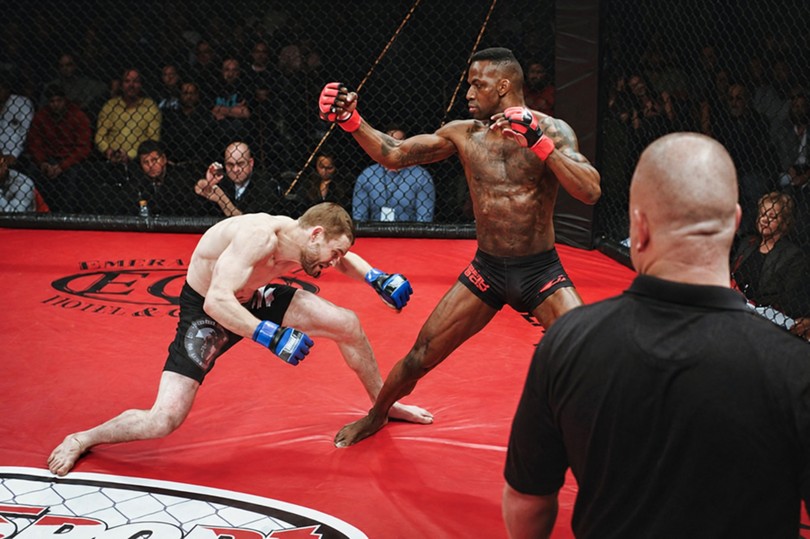
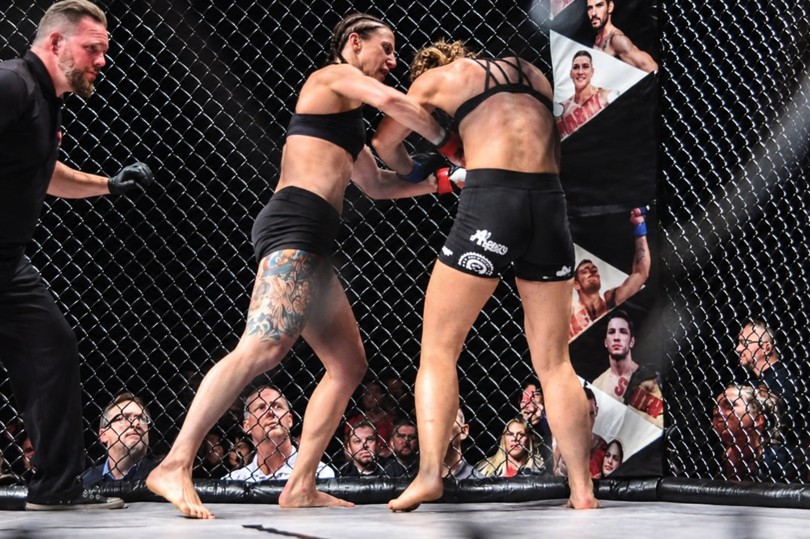
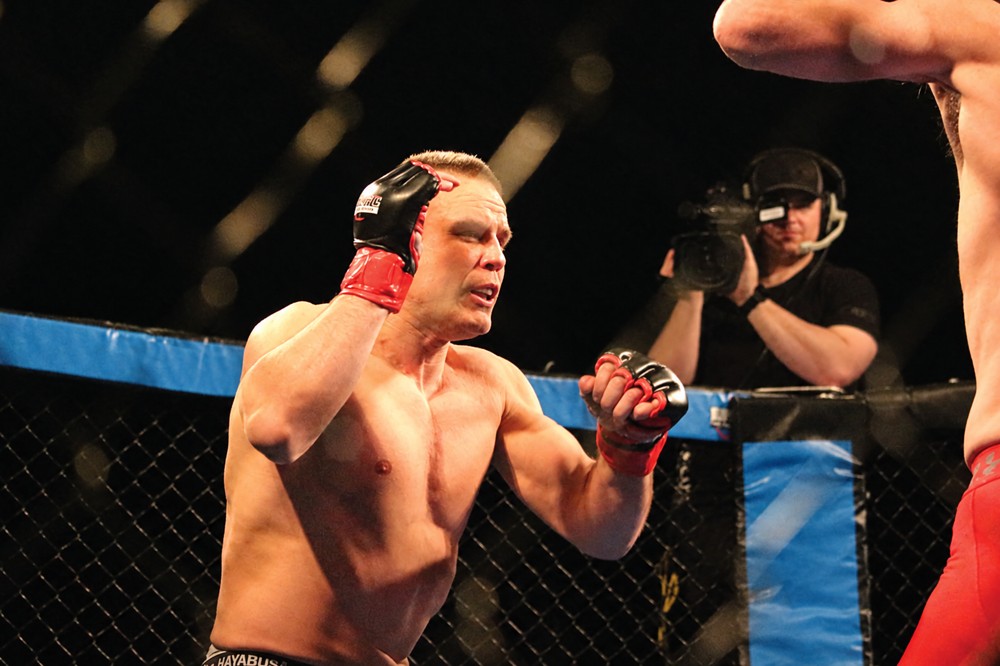
Two of Western Canada’s top MMA promotions are joining forces.
The merger is the most significant consolidation move in Western Canadian MMA in years. XFFC has spent the better part of a decade building the Prairie scene out of Grande Prairie, Alta., running cards across Alberta and giving fighters from smaller markets a legitimate regional stage. Unified MMA, meanwhile, has become the benchmark promotion in the province — the Edmonton-based outfit that sends more fighters to the UFC than any other Canadian regional promotion and has developed a reputation for cards that look and feel like bigger-league productions.
XFFC and Unified MMA have come together to form a new promotion called Showdown Fight Series, which will have its inaugural event in the fall of this year.
Joint ventures between rival regional promotions are rare in MMA — most markets support only one or two serious promotions, and promoters tend to compete rather than collaborate. The fact that Cliffe and Sareen found common ground says as much about where the Western Canadian scene is heading as it does about the two men: the ceiling for regional shows has risen, and reaching it now takes more infrastructure than a single promotion can easily carry.
Combining the two rosters is where the new promotion's potential really sits. XFFC's strength has always been developing raw regional talent — fighters from Grande Prairie, Fort McMurray and the surrounding communities who might not otherwise get in front of bigger audiences. Unified's strength is polish and pathway: its champions and top contenders have repeatedly graduated to the UFC and other major promotions. A joint promotion that can develop talent the way XFFC does and showcase it the way Unified does would instantly become the premier feeder league in Western Canada.
XFFC president Darren Cliffe and Unified MMA president Sunny Sareen spoke with MMA Empire to discuss all the details of their new promotion.
For fighters, the practical upside is a deeper talent pool and more meaningful matchups. Regional promotions live and die by how competitive their cards are, and pooling XFFC and Unified rosters means title fights that actually crown the best regional fighter rather than the best available fighter on a given night. It also means more eyes on every card — both promotions bring their own sponsor relationships and local followings.
The downside of a merger is always the same question: who loses out. Two promoters sharing one promotion means shared decisions, and the personalities involved will determine whether Showdown Fight Series is a partnership that lasts or a marriage of convenience that cracks the first time the organizations disagree on a main event. The fact that both presidents went on record together this early suggests they're aligned on the fundamentals — the rest will be answered in the cage.
Listen to the full interview below to find out what city Showdown Fight Series events will take place, what fighters you can expect to see, and much more.
The timing matters as well. Western Canada's MMA calendar has room for a promotion running consistent, high-quality cards, and a joint venture with infrastructure from both organizations should be able to sustain a busier schedule than either could alone. Details on the inaugural event — the host city, the card's featured fighters and how the two organizations' champions will be handled — are expected to be announced through the fall.
The big questions heading into the first card are practical ones. Whether the new promotion keeps separate titles or crowns unified champions, which existing champions carry their belts into the new banner, and how the card splits its matchmaking between the two rosters will all shape how fans and fighters receive the venture. Promoters who get those details right in the debut tend to build momentum quickly; ones who fumble the sport's politics can watch a promising merger stall out before it starts.